Standard 2
NAEYC Standard:
STANDARD 2. BUILDING FAMILY AND COMMUNITY RELATIONSHIPS
Candidates prepared in early childhood degree programs understand that successful early childhood education depends upon partnerships with children’s families and communities. They know about, understand, and value the importance and complex characteristics of children’s families and communities. They use this understanding to create respectful, reciprocal relationships that support and empower families, and to involve all families in their children’s development and learning (NAEYC, 2010).

Brief Description of Evidence:
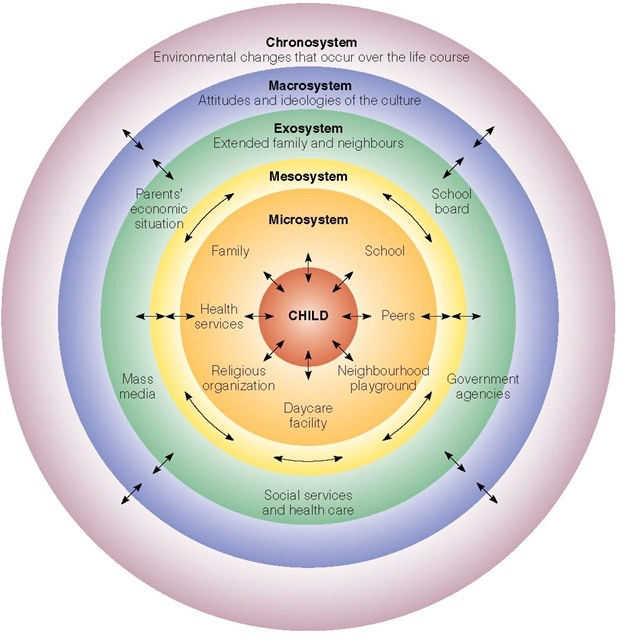
As part of my ECED 204 Families and Transition course, during the Fall semester of 2017, I completed my Family Case Study and Resource Kit. The first step was to use my knowledge of the Code of Ethics and transform it into something other peers will comprehend and proves my competence in the Code of Ethics. For this project, I had a group of 2-3 people and we decided to have an interview about the Code of Ethics to help us understand the process. Next, I selected a family in my practicum classroom. I obtained permission from for the parent. As part of this project, I able to observe the family I had chosen including observing what the children do on a normal basis while at home, who they interact with, live with, and the background of the family. My interview with my family was very intense because the parent told me more information than I needed to know or asked for. The family interview helped me decide the family’s needs. I researched and found some resources for the family to look forward to and explore. Bronfenbrenner's Ecological System's Theory best fits with this artifact because it discusses how everyone has a circle of people in their everyday lives. Bronfenbrenner discusses systems based on growth as a child and discusses how you do not know anyone except for your family. Once you start getting older and go to church, go to school, you seem to have many friends in your life. Understanding the family background and their support systems that were available was helpful as I created the resource kit for this family. (NAEYC, 2010)
Analysis of What I Learned:
Through completing the family case study, I learned not to assume a family has their entire life together and does not have problems. Every family has strengths, and every family has needs. Not assuming things helps teacher start building and a having better relationships with their classroom families. This case study helped me research and understand the knowledge I need to know as an Early Childhood Professional. From completing this case study, I learned that people do not always show signs of having difficulties in their life on the outside. For example, once I got to observe and know the family better, I learned more background information. I got the understanding of how tough it is to be in their footsteps and to see how bad they were struggling. I had no idea. This project definitely gave me an outlook to help families in need when they are struggling and to be connected with children’s parents by being able to give effective advice while being there emotionally for the family. Many parents do not want teachers to know much about their family, and some may be willing to share information once they are comfortable. This family gave me an outlook on the future to always stay close even if it seems like they are not struggling, and if they are rushing ask them if everything is alright. Being positive and having positive healthy relationships with the children and families is an important role.


How This Artifact Demonstrates my Competence on the NAEYC Standard:
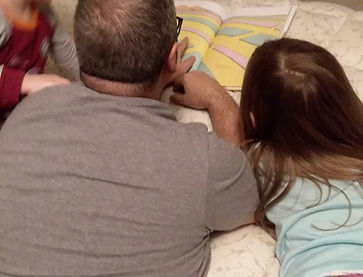
Through the completion of my family case study/resource kit, I was able to use positive interactions with the parent and child throughout the semester in my preschool classroom. My ability to build the relationship and understand their backgrounds proves my competence by building respectful, reciprocal relationships with the family. As part of the resource kit, I noted that one of the family needs was to have their child better understand preschool concepts of knowing letters and numbers. I provided the family with learning materials to support the child in learning these preschool concepts. These resources will assist the family in becoming more engaged in their child's education and understanding the importance of family. Connecting with families is an important role and with my artifact, I believe that it helps involve all families in their children’s development and learning. Parents can help in their child’s learning by engaging in ongoing activities that promote growth and development.