top of page
Standard 7
In NAEYC Standard:
STANDARD 7. EARLY CHILDHOOD FIELD EXPERIENCES
Field experiences and clinical practice are planned and sequenced so that candidates develop the knowledge, skills and professional dispositions necessary to promote the development and learning of young children across the entire developmental period of early childhood – in at least two of the three early childhood age groups (birth-age 3, 3 through 5, 5 through 8 years) and in the variety of settings that offer early education (early school grades, child care centers and homes, Head Start programs (NAEYC, 2010).
Brief Description of Evidence:
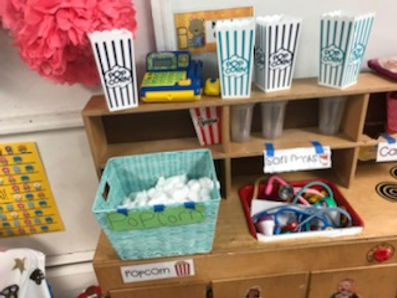
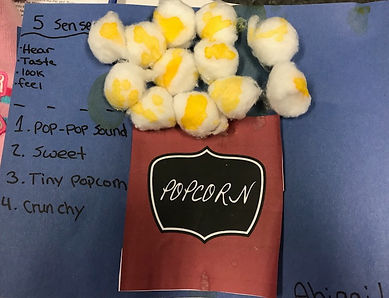
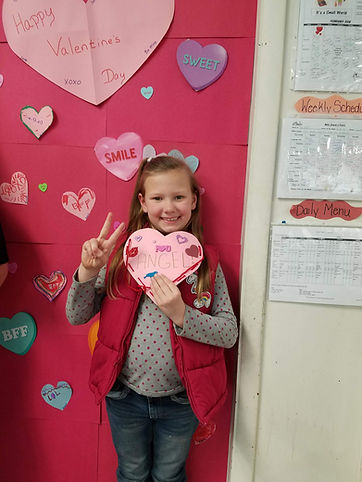
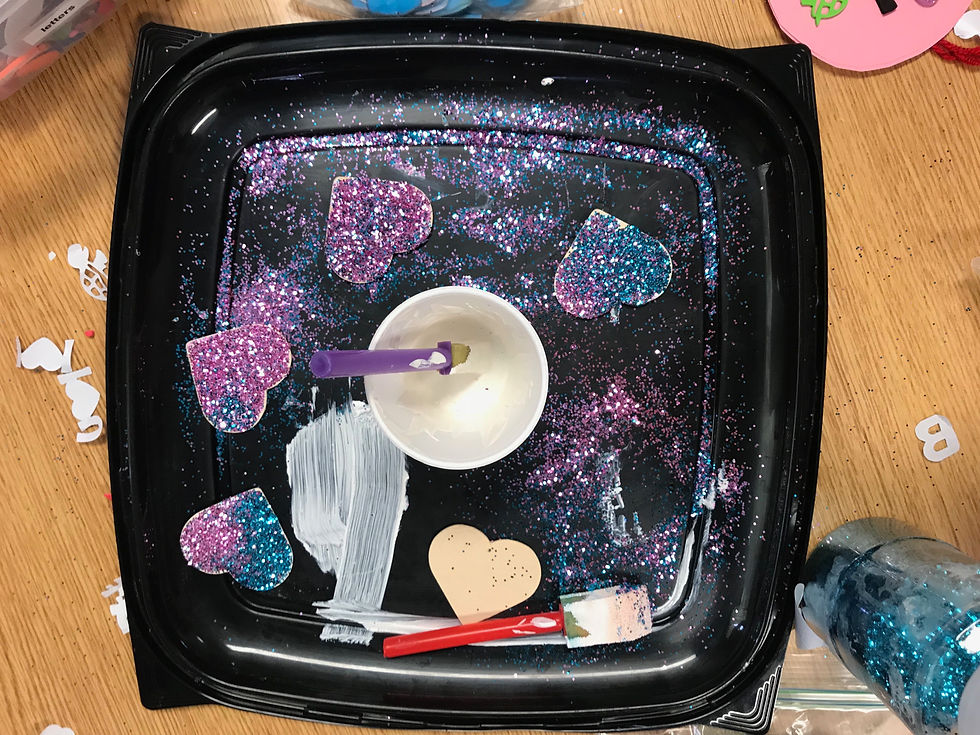
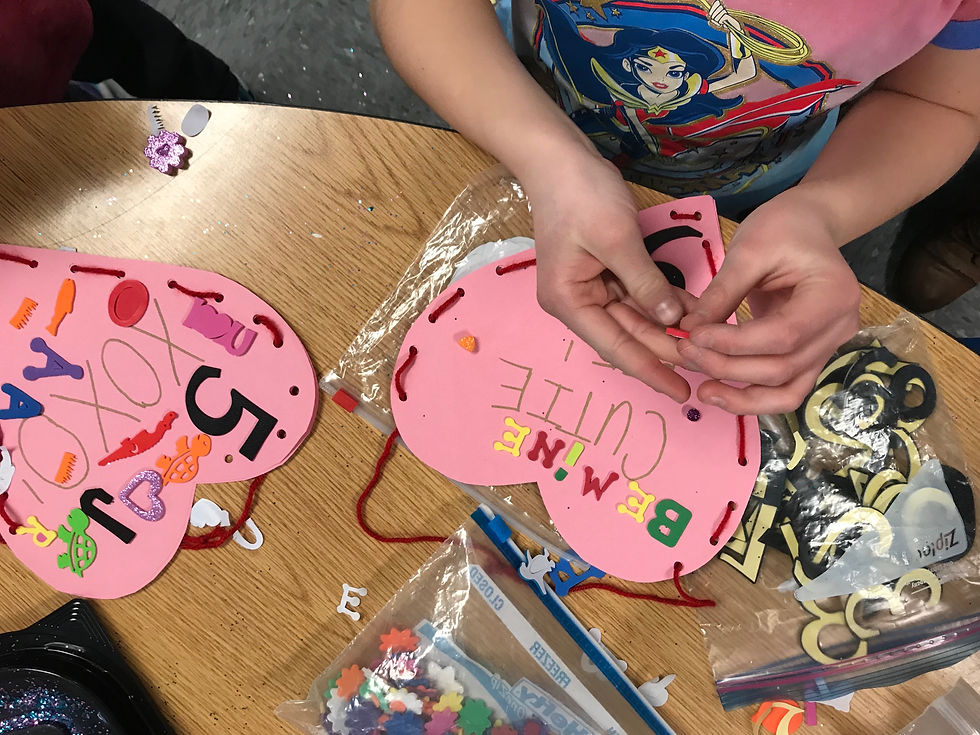
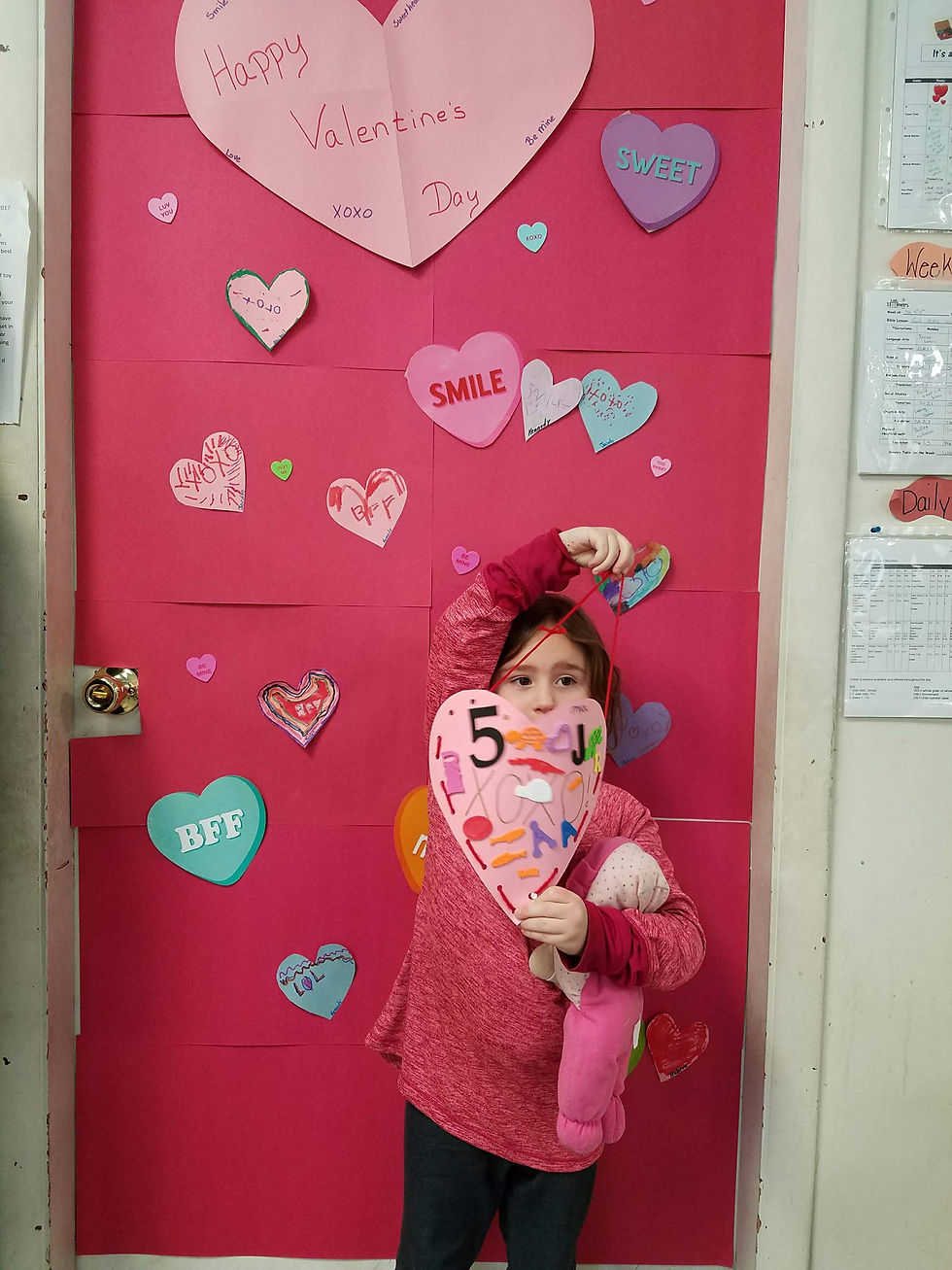
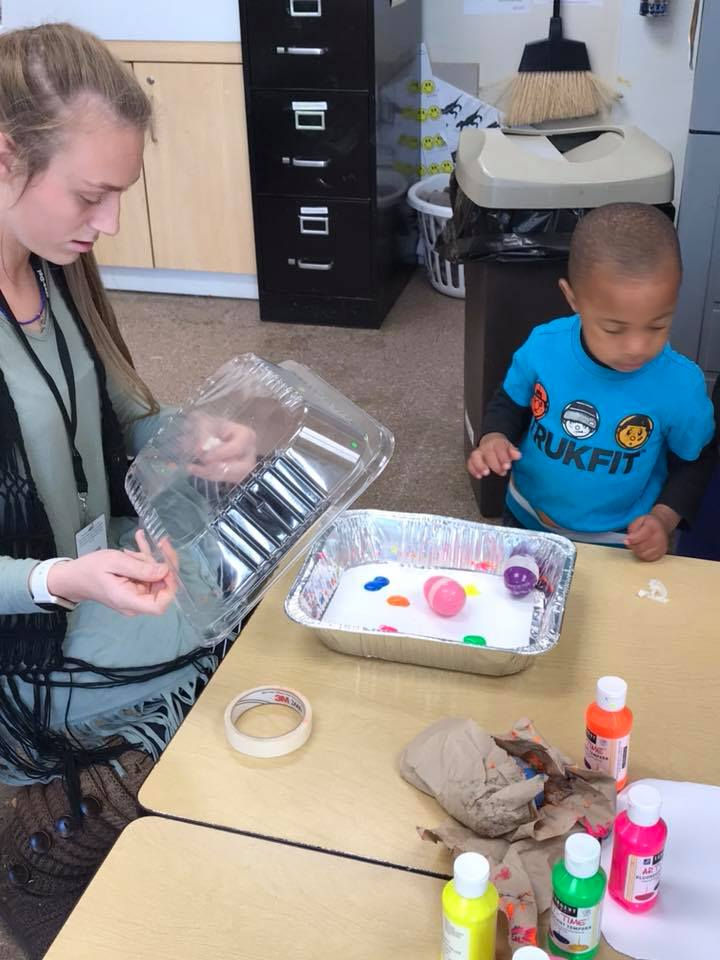
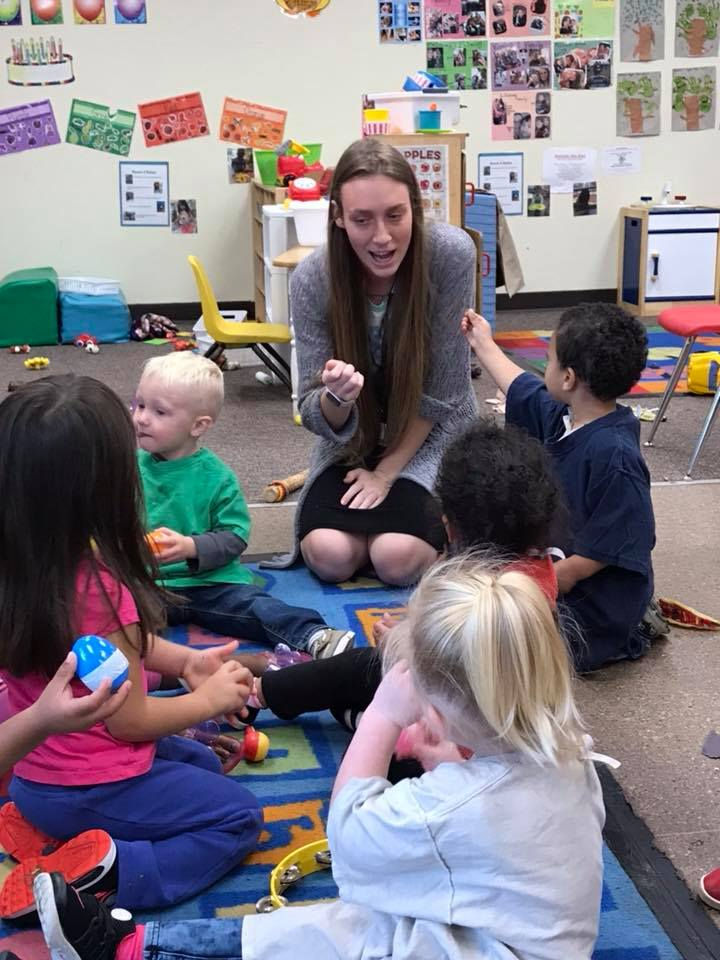
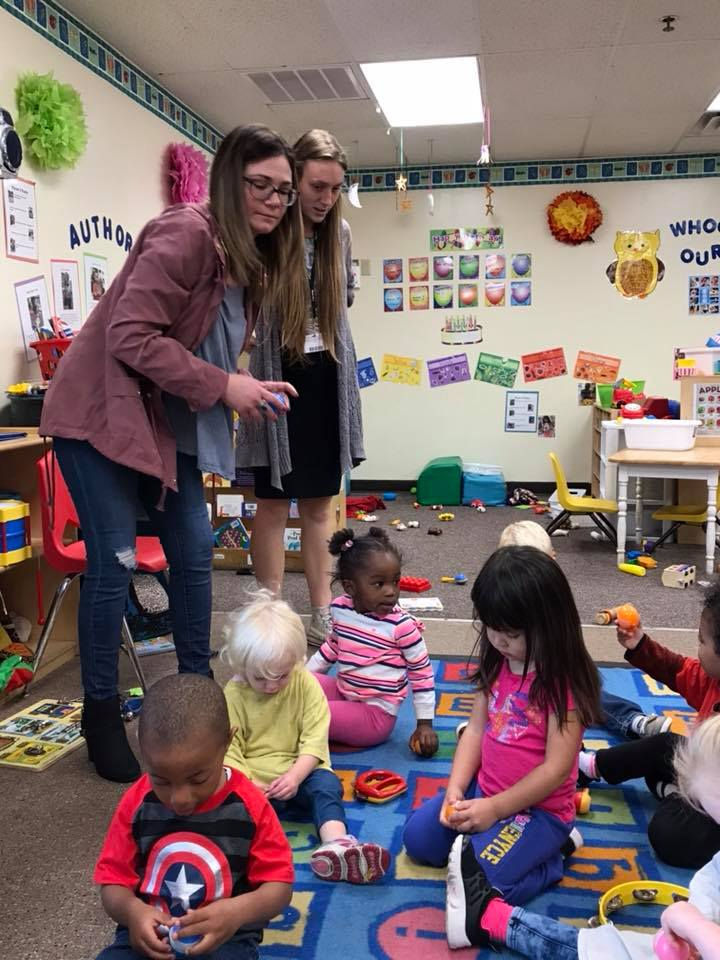
During my ECED level 100 course, I completed my field experiences and made many observations. In my ECED 100 course, I worked with a group of young children that were in kindergarten. Working in a kindergarten classroom, and being able to help the children learn and grow it's a very important role to me. Working with kindergarten students showed me that they are still learning and growing. They have so much of a personality, and, as an educator, I love talking to each child. In my ECED 235 course, I was in a practicum classroom, and I got to teach preschoolers on Tuesday and Thursday. I created my own lesson plans, center transformation, logged my hours. I loved being able to talk to each child, and being able to teach each individual. Every student made my heart melt because not every student gets attention at home. So, I want to be that child’s teacher that cares and wants to explore with each child. I have also worked with school aged children, and they have great personalities, and I love being able to teach from six years of age to twelve years of age. My school ages class loves being their own person, and if they want to do certain activities, they will tell me. Next, I will let the children agree on the activities they had chosen to do. In my ECED 243 course, my partner and I completed an integrated art lesson for a group of toddlers at Apple Tree. We did a lesson about toddler sound painting, and we had to put the paper inside the pan, and the children told us what colors they wanted to use. We squirted the paint on the paper, and then we sealed up the lid with some tape. Next, the children got to shake the pan and had different sounds of Easter eggs that included (bells, sticks, rice,). The children loved being able to participate in this activity, and they had so much fun. After all of their papers dried, my partner and I cut out their papers in a heart-shaped and framed each picture.
Analysis of What I Learned:
I have gained an understanding of the different types of settings and how each child learns differently. Being able to have the children explore while playing at their learning centers helps them get a complete understanding of how to communicate, problem solves in many types of situations. Since I have experienced different settings, I have learned and gained the knowledge of how each place runs, and how each center transitions. Children deserve to be in a safe place while learning and be comfortable in their surroundings. When I went to each of the different grade levels, I have noticed that in preschool they learn by exploring at learning centers with each other, and it takes each child to comprehend what their letters are, what their numbers are, etc. In kindergarten, each child is getting the hang of writing some of their letters, numbers, their names, it seems like in kindergarten your spending more time with the children on math, language and, science. I feel like in kindergarten there is a better transition than what there is at a child care center. In my school aged classroom, every child is learning at different paces, and they are all in different grades. They all have their own personalities to work with, and this helps me as a teacher understand the concept of each child’s homework and helping them complete and comprehend what is going on, and how to do the problem. Toddlers are learning to get the hang of transitioning, and they are learning by play as well and being able to communicate with their classmates and problem solve, and toddlers are learning how to potty train as well. I believe that the theorist best fits this standard is Montessori because it allows students to explore without restrictions. The Montessori theory explains that each child will explore at their own level.
How This Artifact Demonstrates my Competence on the NAEYC Standard:
My competence in this standard is proven by helping me gain a better knowledge of each different types of settings. This helped me learn how to create different types of lesson plans for school age students, toddlers, and preschool. I feel that as a teacher I can provide each student with the correct needs, and each of their settings I can provide each student with the appropriate lessons that may include diversity, cultures, and each student’s skills are different. Being able to have the children explore at their own rate is very important learning style to me as an educator because every child does not want to sit and listen to their teacher talk forever, they want to learn themselves by getting up having hands-on skills, and being able to communicate with one another on what they created, and why they created that activity. Each student learns differently, so I believe as an educator that getting up and moving and having fun while learning is huge.
School-Age

IMG_3593
IMG_3594
IMG_2588
IMG_3593
1/8
Preschool
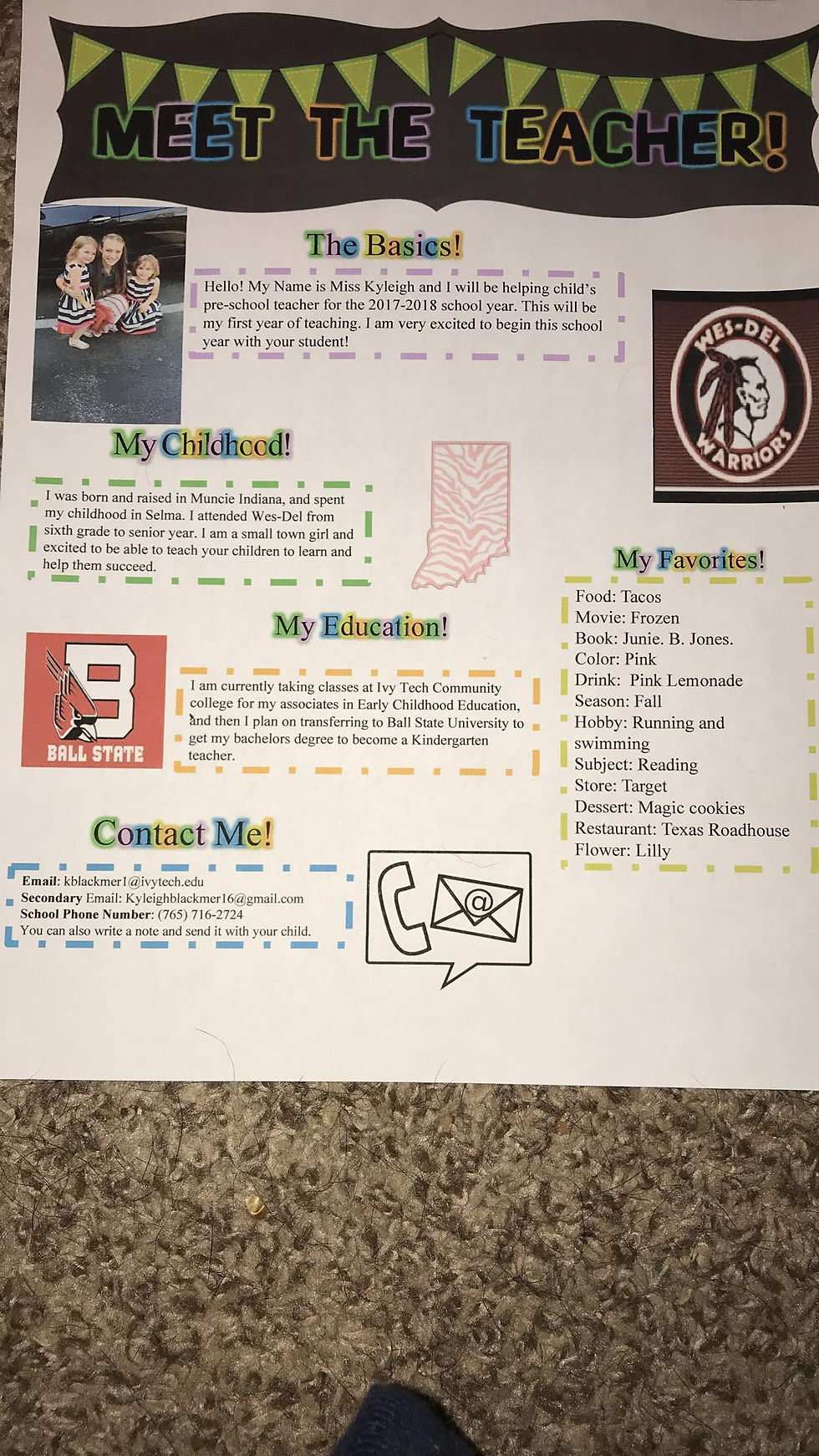
Image-1-1

Image-1
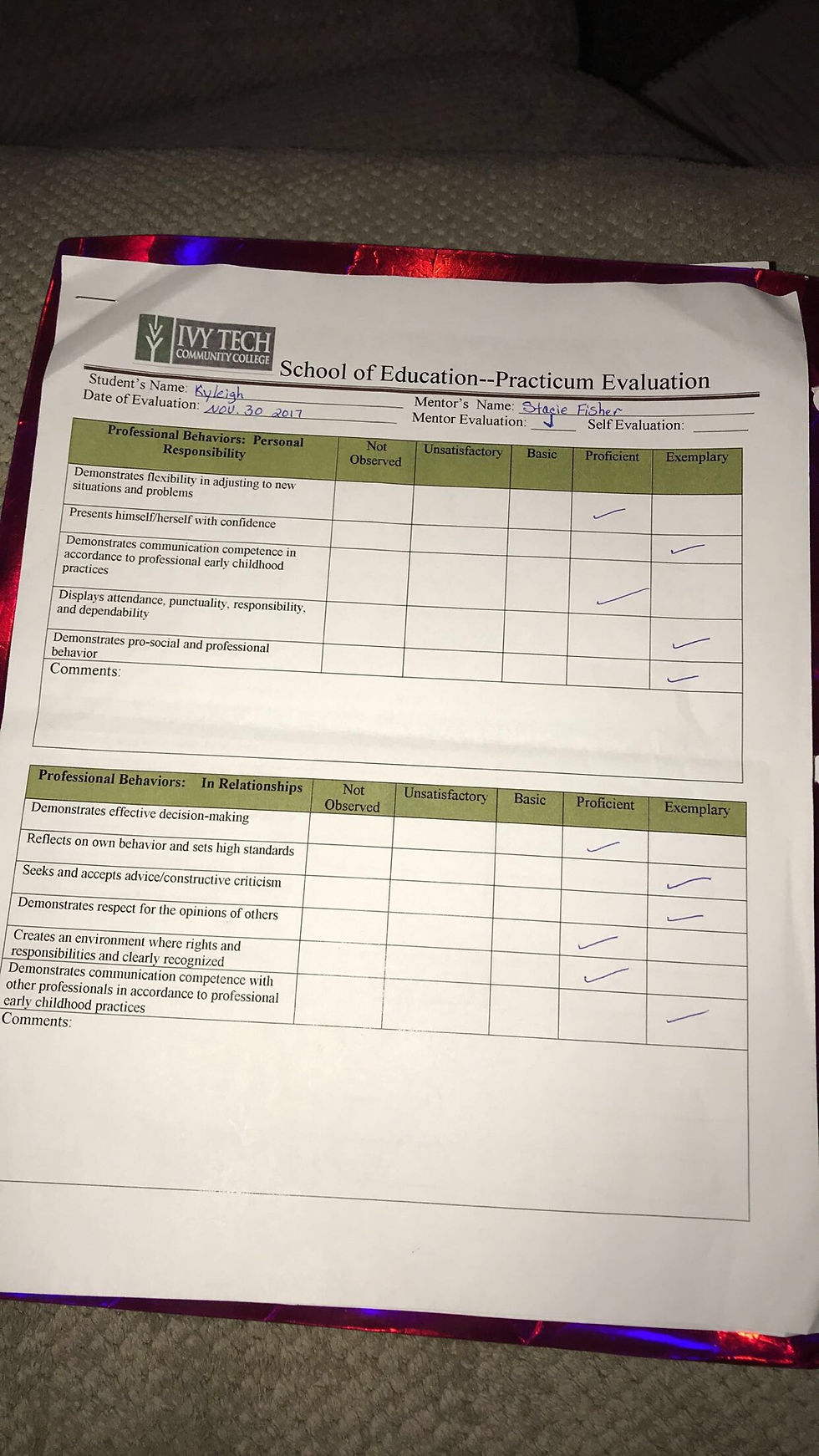
Image-1-12
Image-1-1
1/11
Toddlers
22729104_10154982187282036_7809517948132522474_n
22780581_10154978380952036_4166585458950867649_n
22730315_10154978380887036_5416123718877937053_n
22729104_10154982187282036_7809517948132522474_n
1/4
bottom of page